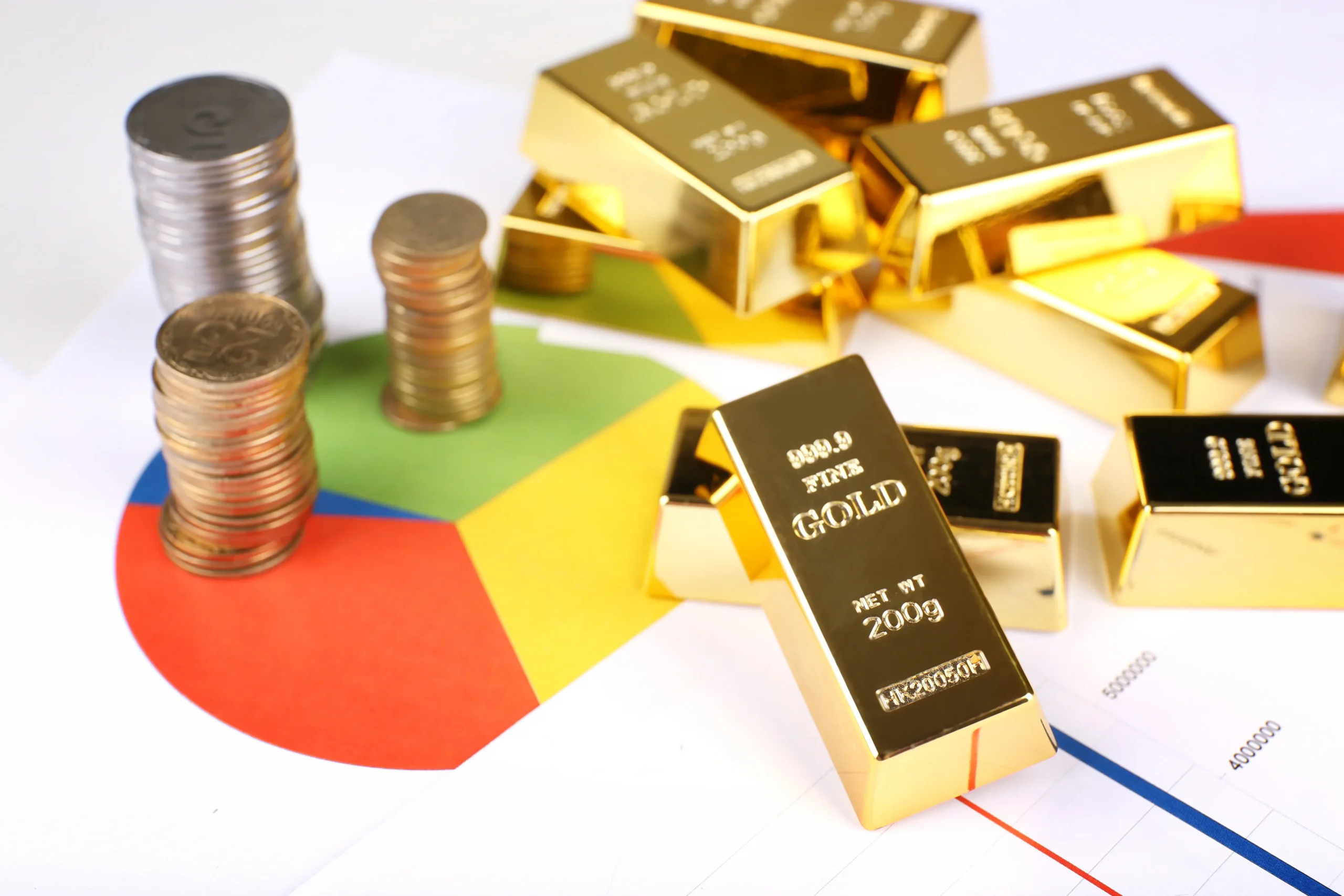

Gold has long been associated with financial stability during uncertain economic periods. When markets experience volatility or economic stress, investors often shift capital toward assets perceived as more secure. Understanding gold safe haven asset behavior helps traders see why this metal plays such a unique role in global markets.
Unlike stocks or currencies, gold does not depend on corporate performance or government policy in the same way. Its value is often tied to investor confidence, inflation The Historical Role Of Gold In Financial Systemsexpectations, and global economic stability. Learning how safe haven investing works helps traders interpret gold price movements more effectively.
Continue reading to understand why gold is often viewed as a protective asset during turbulent markets.
The Historical Role Of Gold In Financial Systems
Gold has been used as a form of wealth preservation for thousands of years. Long before modern currencies existed, civilizations relied on gold as a store of value and a medium of exchange.
Even today, many financial institutions and central banks maintain significant gold reserves. Traders analyzing these markets often begin with educational resources covering gold and silver markets to understand how precious metals operate within the global economy.
Why Gold Retains Long-Term Value
Several factors contribute to gold’s reputation as a stable asset over long periods of time.
Here are some reasons gold has maintained value throughout history:
- Gold supply increases slowly compared with paper currencies
- The metal cannot be created through monetary policy decisions
- It has global recognition as a valuable resource
- Central banks hold gold reserves to support financial systems
- Investors often view gold as protection against currency risk
These characteristics help explain gold’s role in long-term wealth preservation.
Note: Gold’s historical reputation does not guarantee constant price increases, but it often attracts demand during uncertainty.
Gold As A Financial Hedge
Gold is frequently described as a hedge against economic instability. When investors lose confidence in financial markets, demand for gold can increase. Economic crises, geopolitical tensions, and financial market stress sometimes trigger increased buying activity in precious metals.
Tip: Gold demand may rise when investors seek assets that are less dependent on corporate or government performance.
Economic Conditions That Influence Gold Prices
Gold prices respond to several macroeconomic forces. Inflation, interest rates, and currency values often play major roles in determining gold market direction.
Many traders monitor these developments using charting tools and economic calendars while studying technical analysis for gold trading, where price trends and macroeconomic conditions can be evaluated together.
Inflation And Currency Devaluation
Inflation is one of the most commonly cited reasons investors buy gold. When the purchasing power of currencies declines, some investors seek assets that may retain value more effectively.
Because gold supply grows slowly, it is sometimes viewed as protection against currency devaluation.
Interest Rates And Investment Flows
Interest rates also influence gold demand. When rates rise significantly, interest-bearing assets such as bonds may become more attractive than non-yielding assets like gold.
However, when interest rates remain low, gold may become more appealing to investors seeking alternative stores of value.
The table below summarizes several economic factors that commonly influence gold prices.
| Economic Condition | Market Environment | Gold Demand | Investor Behavior | Market Impact | Price Direction |
| Rising Inflation | Currency purchasing power declines | Higher demand | Investors seek value protection | Increased buying | Bullish trend |
| Low Interest Rates | Reduced bond yields | Moderate demand | Investors diversify assets | Gradual price support | Upward pressure |
| Financial Crisis | Market instability | Strong demand | Safe haven buying | Rapid inflows | Strong price rise |
| Strong Economic Growth | Expanding markets | Mixed demand | Investors shift to equities | Reduced safe haven demand | Possible decline |
| Currency Weakness | Falling currency value | Increased demand | Hedge against devaluation | Market inflows | Upward pressure |
| Stable Economic Period | Low uncertainty | Lower demand | Risk assets favored | Reduced safe-haven buying | Neutral movement |
Understanding these conditions helps traders interpret gold price drivers within broader financial markets.
Alert: Major economic announcements can quickly influence gold market volatility.
How Investors Use Gold In Portfolios
Many investors include gold as part of a diversified portfolio. The goal is not always to generate rapid profits, but rather to balance risk across different asset classes.
Gold sometimes behaves differently from stocks and currencies during market stress, which can make it useful for portfolio diversification.
Portfolio Diversification Benefits
Investors often allocate a portion of their portfolio to precious metals in order to reduce overall market exposure.
Common ways investors use gold in portfolios include:
- Diversifying investments across asset classes
- Hedging against inflation or currency weakness
- Reducing exposure to stock market volatility
- Preserving long-term purchasing power
- Balancing risk during uncertain economic periods
These strategies support portfolio stability strategies, particularly during unpredictable market conditions.
Warning: While gold may provide diversification benefits, its price can still experience significant volatility.
Conclusion
Understanding gold safe haven asset behavior helps traders and investors interpret why gold attracts attention during uncertain economic periods. Inflation concerns, financial crises, and currency weakness often increase demand for precious metals.
Although gold is not immune to price fluctuations, its historical role as a store of value continues to influence global markets. Traders who understand these dynamics often explore broader opportunities through precious metals trading when evaluating gold’s position within diversified market strategies.
Frequently Asked Questions
Gold is often viewed as a safe haven because it has historically retained value during periods of economic uncertainty, inflation, and financial market instability. Many investors see gold as a store of value that is less dependent on corporate earnings or government policy.
Inflation can increase interest in gold because declining currency purchasing power encourages some investors to seek alternative stores of value. Gold is often used as a hedge when inflation expectations rise.
Gold does not generate interest or dividends, so higher interest rates can make yield-producing assets more attractive. Lower interest rates, however, may support gold demand as investors search for alternative assets.
Investors often include gold to help diversify across asset classes, reduce exposure to stock market volatility, and potentially balance risk during uncertain economic conditions.