Precious metals have played an important role in financial markets for centuries. Gold and silver, in particular, are widely traded assets used both as investment instruments and as industrial resources. Understanding precious metals trading basics helps traders interpret how these markets behave.
Unlike many other assets, precious metals are often influenced by global economic conditions. During periods of uncertainty, investors sometimes turn to these metals as stores of value. Learning how gold and silver markets operate helps traders better understand prWhat Makes Precious Metals Uniqueice movements.
Keep reading further to learn more!
What Makes Precious Metals Unique
Precious metals differ from most financial assets because they combine industrial demand with investment demand. Gold and silver are used in manufacturing, jewelry production, and as financial reserves held by central banks.
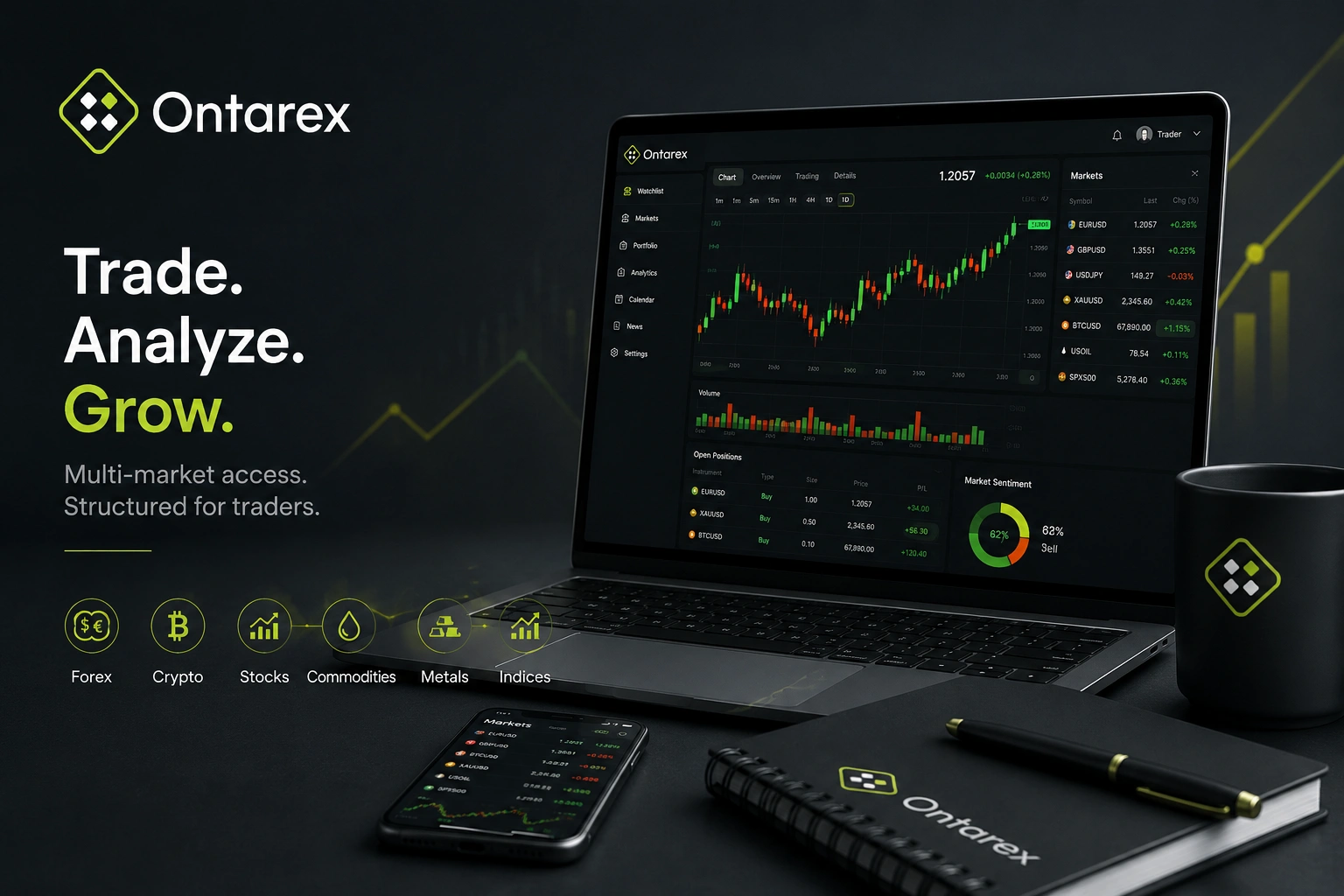
Many traders analyze these markets using tools available for trading markets, where price charts and historical data help track precious metal trends.
Key Characteristics Of Precious Metals
Several features make precious metals stand out compared with other asset classes.
Here are some defining characteristics of gold and silver markets:
- Precious metals have been used as stores of value for centuries
- Central banks hold gold as part of their reserves
- Industrial demand influences silver prices
- Market sentiment often affects short-term price movement
- Precious metals frequently respond to inflation expectations
These factors contribute to the price behavior in global markets.
Note: Gold often reacts strongly to economic uncertainty or inflation concerns.
Gold Vs Silver Market Behavior
Although both metals belong to the same asset class, their market behavior can differ significantly.
Gold is primarily viewed as a financial asset, while silver has stronger industrial demand. Because of this, silver prices can sometimes move more dramatically during periods of economic growth.
Tip: Silver tends to show higher volatility than gold during strong market trends.
Major Factors That Influence Precious Metal Prices
Several economic and financial conditions influence the price of gold and silver. Understanding these drivers helps traders evaluate potential market trends.
Inflation And Currency Value
Precious metals often attract attention during periods of rising inflation. When the purchasing power of currencies declines, investors sometimes move capital into assets perceived as stores of value.
Gold, in particular, has historically been associated with the gold safe haven asset role during periods of inflation and economic uncertainty.
Alert: Inflation data releases can sometimes cause sudden volatility in precious metals markets.
Interest Rates And Monetary Policy
Interest rates also play an important role in precious metals pricing. When interest rates rise, interest-bearing assets may become more attractive than non-yielding metals such as gold.
However, when rates remain low or fall, investors may shift capital into precious metals.
The table below summarizes several key economic drivers affecting precious metals.
| Economic Factor | Market Impact | Gold Reaction | Silver Reaction | Investor Behavior | Market Trend |
| Rising Inflation | Currency purchasing power falls | Often bullish | Often bullish | Investors seek safe assets | Upward pressure |
| Rising Interest Rates | Higher yields elsewhere | Often bearish | Mixed reaction | Capital moves to bonds | Possible decline |
| Economic Uncertainty | Market instability | Strong demand | Moderate demand | Safe haven buying | Price increase |
| Strong Economic Growth | Industrial demand rises | Neutral impact | Often bullish | Increased manufacturing demand | Mixed direction |
| Currency Weakness | Declining currency value | Bullish signal | Bullish signal | Hedge against currency risk | Upward movement |
| Financial Market Stress | Risk aversion increases | Strong bullish demand | Moderate bullish demand | Investors seek stability | Price volatility |
Understanding these drivers helps traders evaluate precious metals market trends more effectively.
Trading Approaches In Precious Metals Markets
Traders focused on trading gold and silver often rely on chart analysis, support and resistance levels, and momentum indicators to evaluate market direction.
Technical Analysis Methods
Technical traders analyze price charts, indicators, and support or resistance levels to identify potential entry points.
Common techniques include:
- Identifying long-term trend direction
- Monitoring key support and resistance levels
- Using momentum indicators for confirmation
- Watching breakout patterns in price charts
- Evaluating trading volume during price movement
These methods help traders interpret market momentum signals when evaluating potential trades.
Fundamental Market Analysis
Fundamental analysis focuses on macroeconomic factors influencing precious metals. Traders often monitor inflation data, interest rates, currency movements, and geopolitical developments. Combining fundamental and technical approaches can provide a more balanced perspective when analyzing precious metal markets.
Warning: Precious metals can experience sudden price swings during major economic announcements.
Conclusion
Understanding precious metals trading basics helps traders interpret how gold and silver behave during different economic conditions. These metals respond to a variety of factors, including inflation, interest rates, and global market sentiment.
By studying both technical price trends and macroeconomic drivers, traders can approach precious metals markets with greater awareness. Over time, this knowledge can help traders develop more structured metals trading strategies when trading gold and silver.
Frequently Asked Questions
Precious metals are assets such as gold and silver that are traded in financial markets and also used in industries like manufacturing and jewelry. They are influenced by both investment demand and real-world economic conditions.
Gold is often treated more as a financial asset and store of value, while silver has stronger industrial demand. Because of this, silver can react more sharply to economic growth, manufacturing activity, and market volatility.
Precious metals prices are influenced by inflation, interest rates, currency strength, economic uncertainty, industrial demand, and overall market sentiment. Major economic announcements can also create sudden volatility.
Traders often combine technical analysis with fundamental analysis. This means studying price charts, support and resistance levels, indicators, inflation data, interest rates, and broader market conditions.