
Financial markets react quickly to new economic information. When governments release data about growth, employment, or inflation, investors often reassess expectations about the future. Understanding economic news index trading helps traders interpret why index markets sometimes move suddenly across modern online trading markets.
Indices reflect the combined performance of many companies. Because of this, macroeconomic developments often influence them more strongly than individual stocks. Learning how macroeconomic indicators affect markets can help traders anticipate potential volatility.
Continue reading to see how economic news shapes index market movement.
Why Economic Data Matters For Indices
Stock indices represent groups of companies operating across many sectors of the economy. When new economic data suggests stronger growth or economic weakness, investor expectations about corporate performance may change.
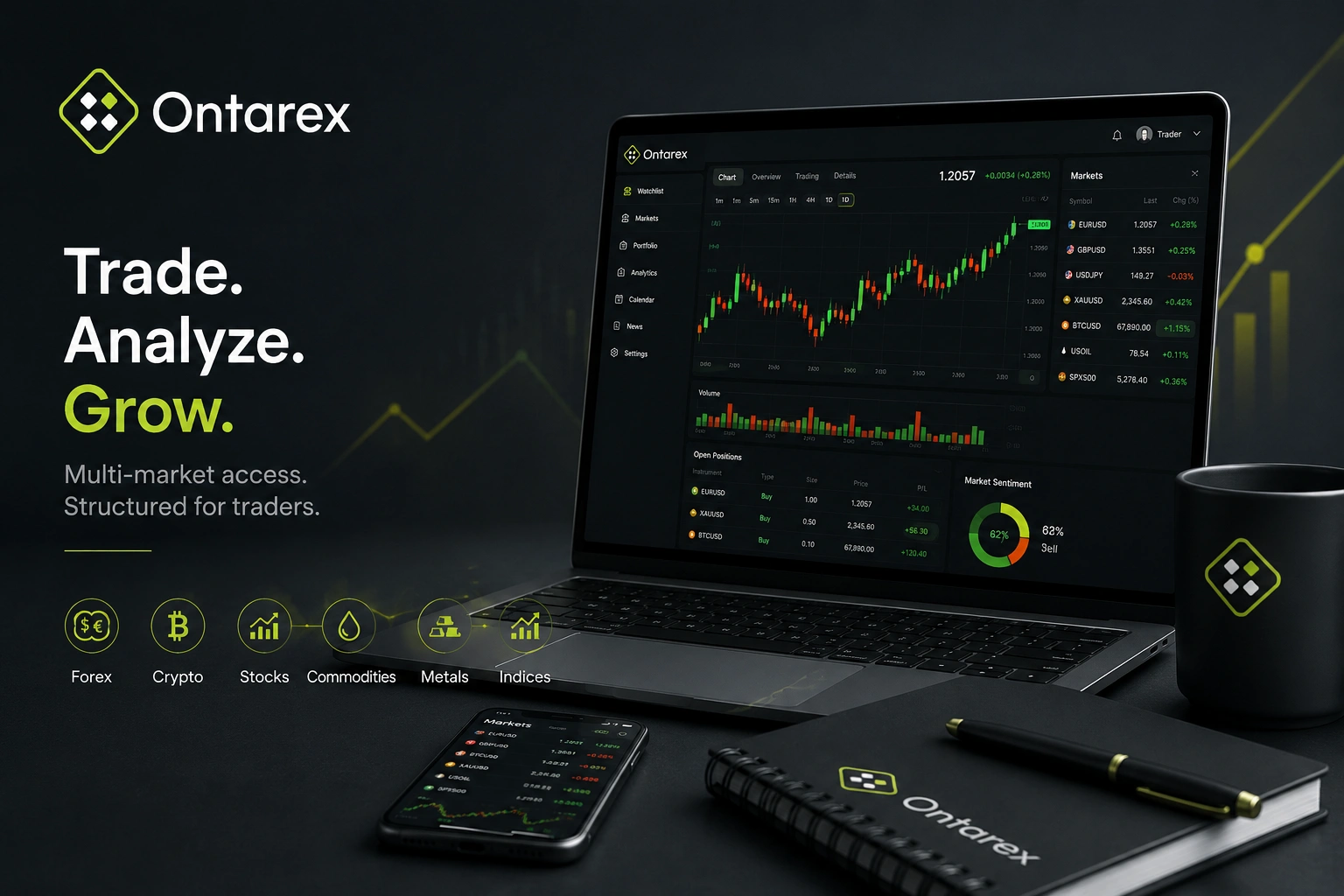
Many traders follow these developments through the Ontarex trading environment, where economic calendars and price charts allow traders to monitor how indices respond to new information while studying broader momentum trading strategies.
Common Economic Reports Traders Monitor
Economic data releases occur regularly and often influence market sentiment.
Here are several important economic indicators traders watch:
- Employment and unemployment reports
- Gross domestic product growth statistics
- Inflation measurements such as CPI
- Central bank interest rate decisions
- Consumer confidence and retail sales data
These indicators often create volatility tied to broader market-moving economic news, because they shape expectations about economic growth and investor sentiment.
Note: Major economic reports are usually scheduled in advance, allowing traders to prepare for potential volatility.
Why Markets React Quickly
Index markets often react immediately when economic data differs from expectations. Investors constantly compare actual data with forecasts provided by economists.
If a report indicates stronger economic conditions than expected, stock indices may rise. Conversely, disappointing data can sometimes trigger rapid selling across equity markets.
Tip: Traders often avoid opening new positions immediately before major economic announcements.
The Role Of Central Banks In Index Movements
Central banks influence financial markets through monetary policy. Decisions about interest rates and liquidity can affect borrowing costs, corporate investment, and consumer spending.
Because these factors influence company earnings, stock indices often respond strongly to central bank statements.
Interest Rates And Equity Markets
Interest rate changes are among the most influential economic decisions affecting financial markets.
The table below explains how different interest rate environments can influence index markets.
| Interest Rate Trend | Economic Environment | Market Reaction | Investor Behavior | Corporate Impact | Index Direction |
| Falling Rates | Economic stimulus | Positive sentiment | Increased investment | Lower borrowing costs | Often bullish |
| Stable Rates | Balanced economy | Neutral sentiment | Stable investment flows | Predictable financing | Moderate movement |
| Rising Rates | Inflation control | Market caution | Reduced risk appetite | Higher financing costs | Potential pressure |
| Rapid Rate Hikes | Economic tightening | Increased volatility | Defensive positioning | Lower corporate expansion | Possible declines |
| Rate Cuts During Crisis | Economic support | Strong reaction | Risk assets favored | Credit expansion | Market recovery |
| Unexpected Rate Decisions | Policy uncertainty | Sharp volatility | Rapid repositioning | Market instability | Unpredictable |
Understanding these dynamics helps traders interpret monetary policy signals that influence index performance.
Alert: Unexpected central bank decisions can trigger sudden index volatility.
Global Events And Market Sentiment
While scheduled economic data often drives markets, unexpected global events can also influence index prices. Political developments, trade agreements, and geopolitical tensions may shift investor sentiment.
Traders often monitor several regions simultaneously because global markets are closely connected. A major event in one region can quickly influence other financial markets.
Many traders studying global indices also review foundational material, like the beginner index market guide, to understand how indices reflect broader economic conditions. Those who study global indices also review foundational material, such as Indices Trading to better understand how indices reflect broader economic conditions.
Events That Frequently Move Indices
Several types of global developments can influence index performance:
- Major geopolitical tensions affecting global trade
- Government fiscal policy changes
- International trade negotiations
- Political elections influence economic direction
- Global financial crises or banking instability
These developments often shift global investor sentiment, which can lead to sudden changes in index market direction.
Warning: Markets can react quickly to geopolitical headlines, even when economic data remains stable.
Conclusion
Understanding economic news index trading allows traders to interpret why indices sometimes move rapidly following economic announcements. Employment data, inflation reports, and central bank decisions all influence investor expectations.
Traders who combine economic awareness with technical market analysis often gain a clearer view of index behavior. Monitoring macroeconomic indicators can also help traders approach opportunities through an indices trading platform with greater preparation and insight.
Frequently Asked Questions
Economic news influences investor expectations about growth, inflation, interest rates, and corporate earnings. Because indices track groups of companies, macroeconomic developments can quickly affect overall market sentiment.
Employment reports, inflation data, GDP growth figures, retail sales, and central bank interest rate decisions are among the most closely watched indicators because they often influence market volatility and investor positioning.
Central banks influence borrowing costs, liquidity, and economic growth expectations. Unexpected policy decisions or comments can rapidly shift investor sentiment, leading to strong price movement in index markets.
Many traders monitor economic calendars, reduce exposure before important releases, and combine technical analysis with macroeconomic awareness. Platforms such as Ontarex also provide tools that help traders track how indices react to changing market conditions.