Commodities have been traded for centuries. Long before financial markets existed in their current form, raw materials such as grain, oil, and metals were exchanged between producers and merchants. Today, global commodity markets allow traders to speculate on the price of essential resources. Understanding commodities trading basics helps traders see how these markets operate.
Unlike stocks, commodities represent physical goods rather than company ownership. Their prices are often influenced by supply shortages, weather conditions, or economic demand. Learning how global commodity markets function can help traders interpret these price movements more effectively.
Keep reading further!
What Commodities Are Traded In Financial Markets
In financial markets, commodities refer to raw materials that are widely used in industrial production or global consumption. These assets are usually standardized so they can be traded efficiently across exchanges.
Many traders analyze these markets using tools available on our global trading platform, where price charts and economic data help track commodity movements.
Here are several major commodity groups that traders commonly follow:
- Energy commodities such as crude oil and natural gas
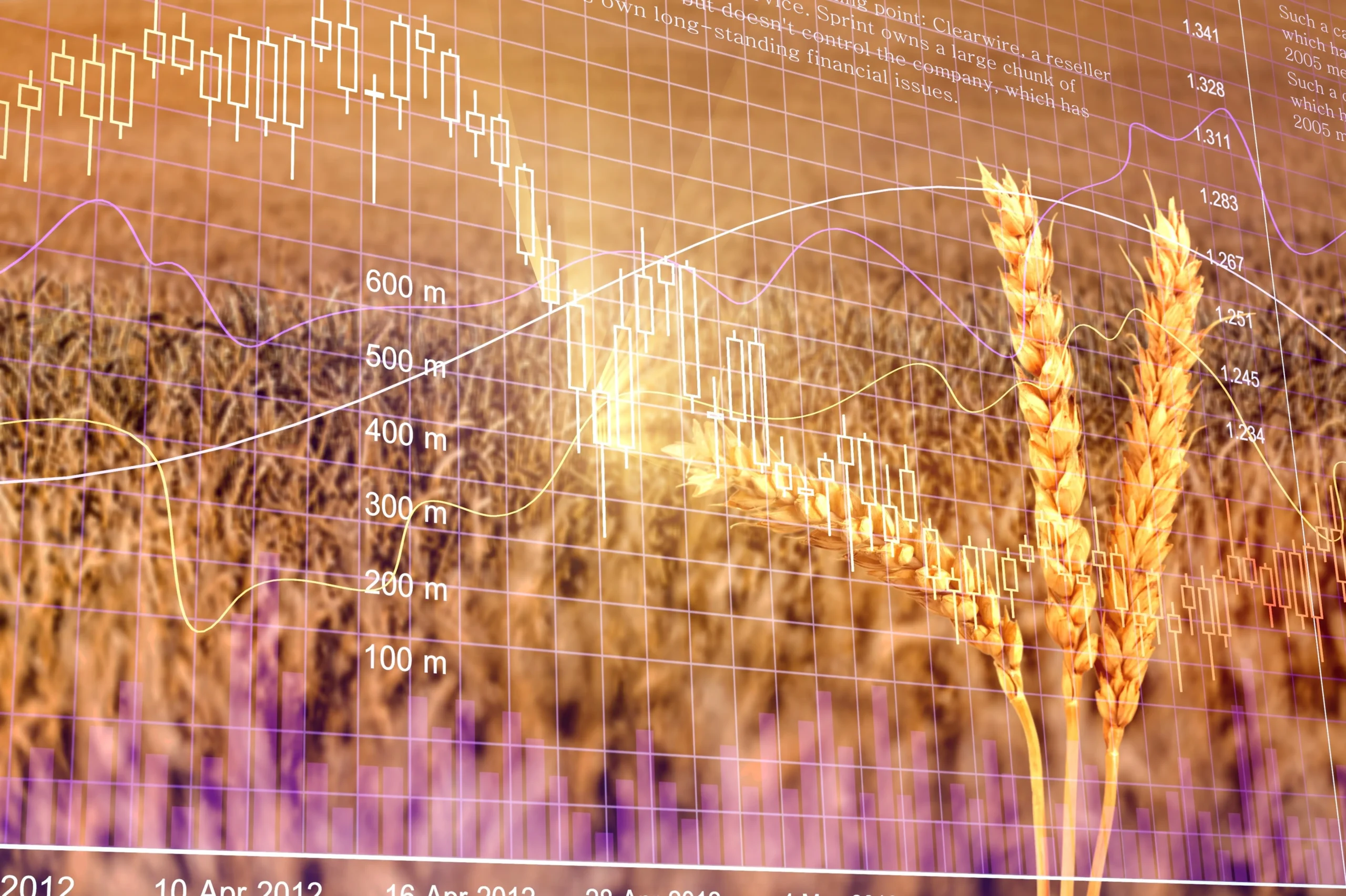
- Agricultural commodities, including wheat, corn, and soybeans
- Industrial metals used in manufacturing and construction
- Livestock products traded in agricultural markets
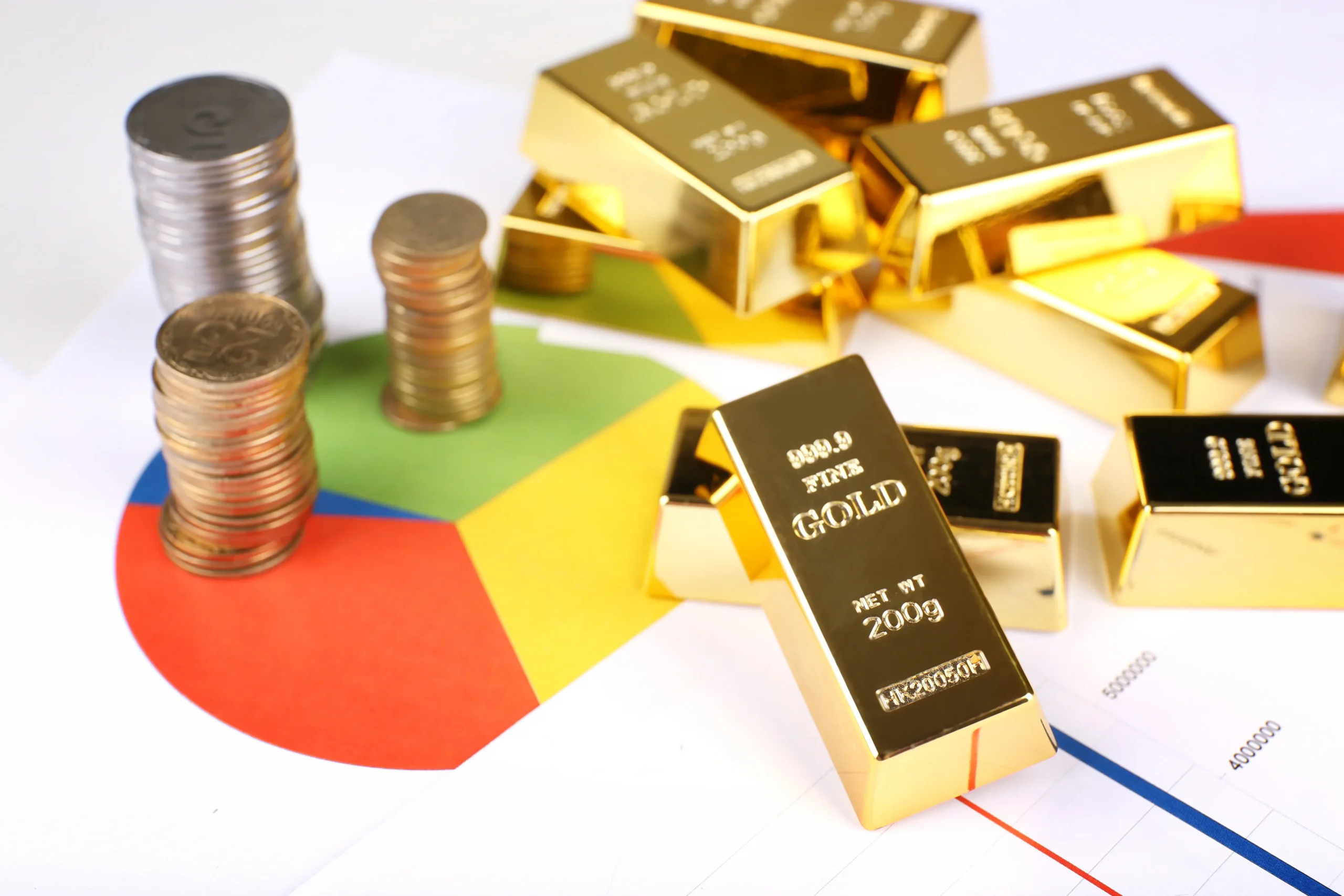
- Precious metals are used for investment and industrial demand
Each category plays an important role in shaping commodity price movements across global markets.
Reminder: Commodity prices can shift quickly when supply or demand conditions change.
Major Commodity Markets And Exchanges
Commodity trading typically occurs on specialized exchanges where contracts represent specific quantities of raw materials. These exchanges provide price transparency and allow participants to manage risk through futures contracts.
Different commodities trade on different exchanges depending on geographic location and market specialization.
The table below highlights several major commodities and the markets where they are commonly traded.
| Commodity | Market Category | Major Exchange | Primary Use | Price Drivers | Typical Traders |
| Crude Oil | Energy | NYMEX | Fuel production | Global demand and geopolitics | Energy traders |
| Natural Gas | Energy | NYMEX | Electricity generation | Weather and supply levels | Utility companies |
| Gold | Precious Metal | COMEX | Investment and reserves | Inflation expectations | Institutional investors |
| Wheat | Agriculture | CBOT | Food production | Weather and crop yield | Agricultural traders |
| Copper | Industrial Metal | LME | Manufacturing and electronics | Industrial demand | Industrial hedgers |
| Corn | Agriculture | CBOT | Food and biofuel | Crop supply conditions | Commodity traders |
These exchanges contribute to global commodity liquidity, allowing producers, companies, and traders to interact within the same marketplace.
Tip: Energy commodities often react strongly to geopolitical events and economic growth expectations.
Factors That Influence Commodity Prices
Commodity prices rarely move randomly. They often respond to specific economic and environmental factors that influence supply or demand. Because commodities represent physical resources, disruptions in production or transportation can significantly affect pricing.
Here are several major drivers that influence commodity prices:
- Weather conditions affecting agricultural production
- Global economic growth is influencing industrial demand
- Political events affecting energy supply routes
- Currency fluctuations are impacting international trade
- Inventory levels reported by commodity exchanges
These elements shape supply and demand dynamics that determine commodity price direction.
Note: Agricultural commodities may experience seasonal price patterns depending on harvest cycles.
Approaches Traders Use In Commodity Markets
Commodity traders generally use a combination of fundamental analysis and technical analysis when evaluating market opportunities. Fundamental analysis focuses on real-world supply and demand, while technical analysis studies price patterns.
Many traders track economic reports, weather forecasts, and inventory data when analyzing commodities.
Common trading approaches in commodity markets include:
- Following long term trends in energy markets
- Trading seasonal patterns in agricultural commodities
- Monitoring global economic indicators for demand shifts
- Using chart analysis to identify entry and exit points
- Diversifying across several commodity sectors
These strategies help traders develop structured commodity trading approaches while adapting to changing market conditions.
Warning: Commodity markets can become highly volatile during major geopolitical or supply disruptions.
Conclusion
Learning commodities trading basics provides traders with a clearer understanding of how global resource markets operate. Energy products, agricultural goods, and metals all play critical roles in the world economy, and their prices often reflect shifts in supply and demand.
Traders who study commodity fundamentals alongside technical market signals often gain deeper insight into price movements. Over time, this knowledge helps them approach commodity markets with greater confidence and discipline.
Frequently Asked Questions
Lorem ipsum dolor sit amet, consectetuer adipiscing elit. Aenean commodo ligula eget dolor. Aenean massa. Cum sociis natoque penatibus et magnis dis parturient montes, nascetur ridiculus mus. Donec quam felis, ultricies nec, pellentesque eu, pretium quis, sem. Nulla consequat massa
Lorem ipsum dolor sit amet, consectetuer adipiscing elit. Aenean commodo ligula eget dolor. Aenean massa. Cum sociis natoque penatibus et magnis dis parturient montes, nascetur ridiculus mus. Donec quam felis, ultricies nec, pellentesque eu, pretium quis, sem. Nulla consequat massa
Lorem ipsum dolor sit amet, consectetuer adipiscing elit. Aenean commodo ligula eget dolor. Aenean massa. Cum sociis natoque penatibus et magnis dis parturient montes, nascetur ridiculus mus. Donec quam felis, ultricies nec, pellentesque eu, pretium quis, sem. Nulla consequat massa
Lorem ipsum dolor sit amet, consectetuer adipiscing elit. Aenean commodo ligula eget dolor. Aenean massa. Cum sociis natoque penatibus et magnis dis parturient montes, nascetur ridiculus mus. Donec quam felis, ultricies nec, pellentesque eu, pretium quis, sem. Nulla consequat massa